Your car doesn’t know September turned into October.
There isn’t a sensor somewhere that says, “Fall is here. Time for seasonal maintenance.”
What your car does notice is everything that changes around it.
Mornings get cooler. Rain becomes more common. Tire pressure changes with temperature. Headlights, heaters, defrosters and wipers get used more often. Wet pavement asks more from your tires and brakes. A battery that seemed fine through summer may suddenly have a harder time starting your vehicle in the morning.
That’s the useful way to think about fall car maintenance in Shoreline.
It’s not about replacing things because the calendar changed.
It’s about checking the systems that have to work differently as the weather does.
Cooler Mornings Can Expose a Marginal Battery
A battery can seem perfectly normal during warmer weather and become much less convincing once mornings cool down.
Lower temperatures slow the chemical reaction inside the battery. At the same time, the engine still has to crank fast enough to start.
Then add the electrical loads we tend to use more often in fall:
lights,
heater blower,
rear defogger,
windshield wipers,
and other accessories.
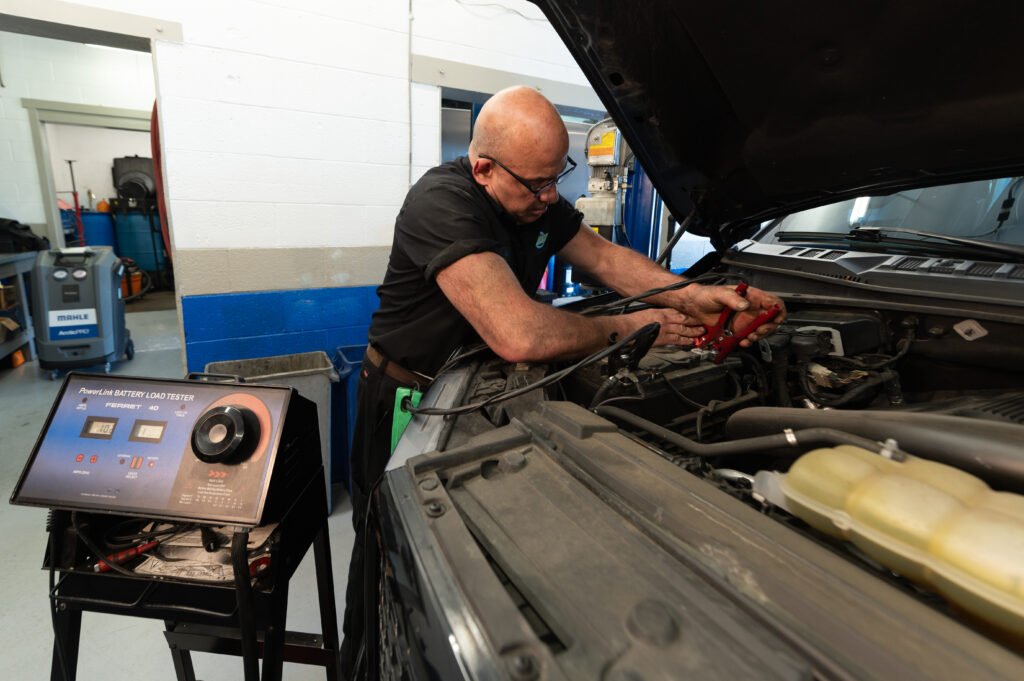
A battery test gives us actual information about the battery that’s in the vehicle today.
That doesn’t mean every battery needs replacement before winter.
In fact, one of the inspection photos we’re using for this article shows a battery that passed its test.
That’s useful information too.
The point of testing isn’t to sell a battery. It’s to find out what condition the battery is actually in.
Rain Changes What Your Tires Have to Deal With
On a dry road, it’s easy to forget how much work the tread pattern on a tire is doing.
Then the rain comes back.
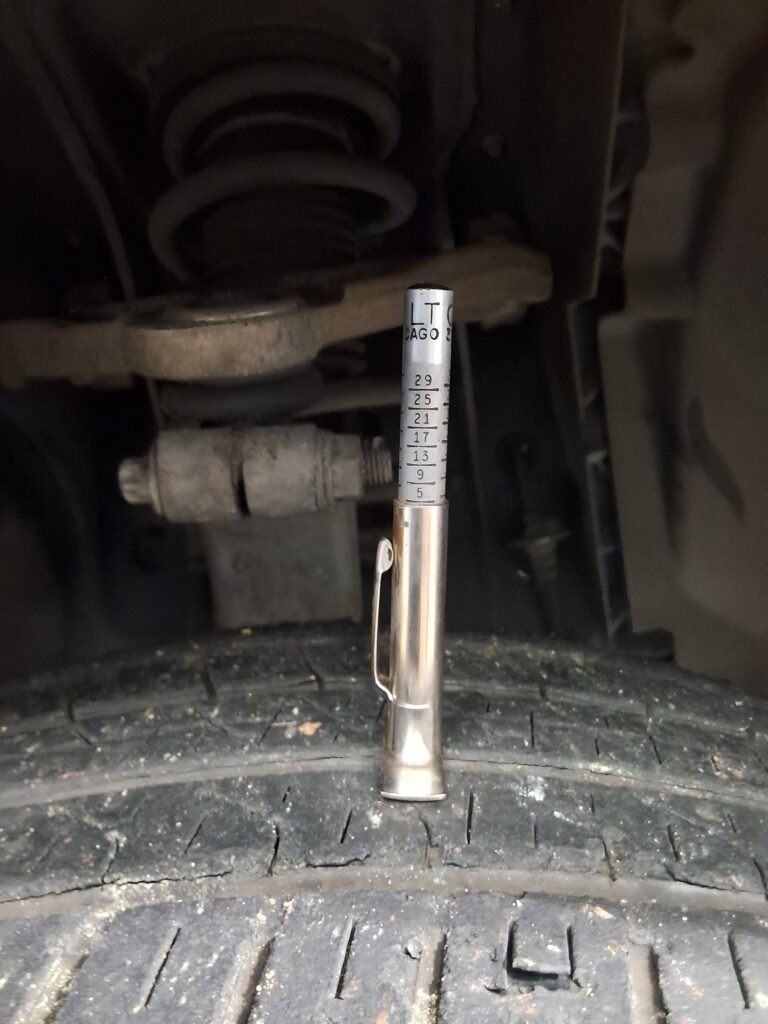
The grooves in the tread have to move water away from the tire’s contact area with the pavement. As the tread wears down, there is less depth available to manage that water.
That’s why we would rather measure tread depth than look at a tire from a few feet away and guess.
Pressure matters too.
As temperatures fall, tire pressure can fall with them. The correct pressure isn’t a generic number that applies to every vehicle. The starting point is the vehicle manufacturer’s specification.
Rotation can also help tires wear more evenly when the vehicle and tire configuration allow for it.
None of this means that the first rainy week automatically means you need four tires.
It means fall is a good time to know what you actually have.
Your Brakes Didn’t Suddenly Change, but the Road Did
Fall weather doesn’t automatically make brake pads wear out.
What changes is the environment you’re asking the entire braking system to work in.
Seattle-area fall driving brings more wet pavement, darker commutes and plenty of stop-and-go traffic.
Your tires still provide the grip between the vehicle and the road. Your brakes still have to slow the vehicle consistently.
That makes actual inspection more useful than guessing from mileage.
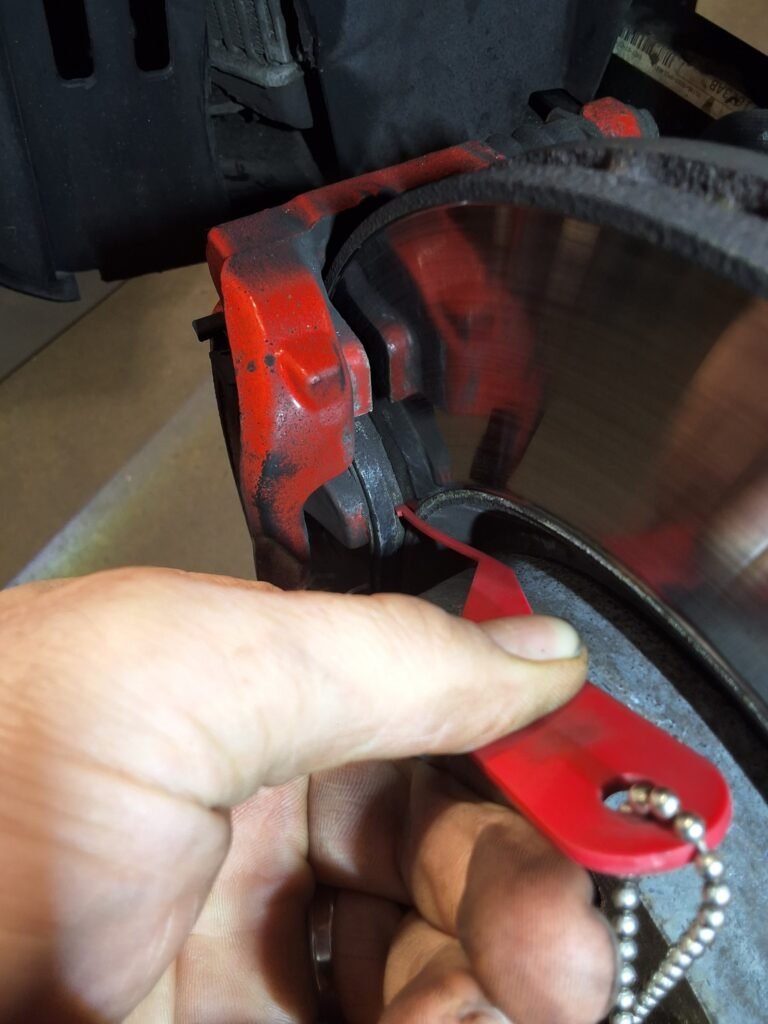
Brake pad thickness can be measured.
Uneven wear can be seen.
Rotor and brake component condition can be inspected.
A driver may not notice gradual wear because it happens slowly. Measuring it gives us a better baseline.
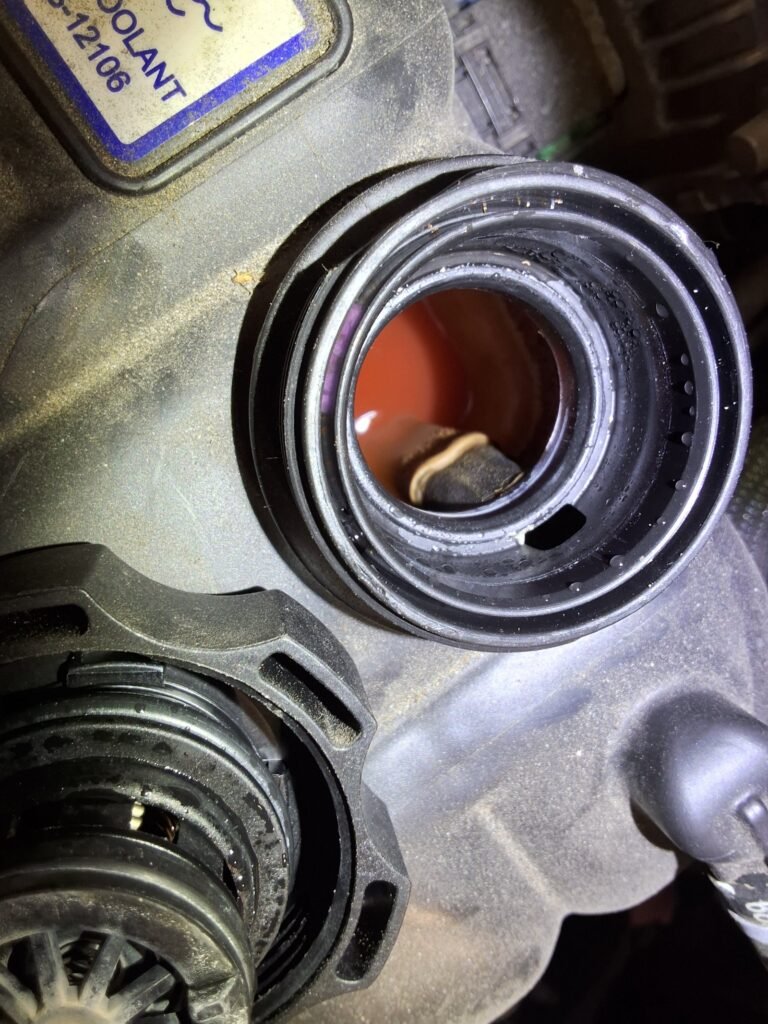
The Cooling System Still Matters After Summer
Cooling system conversations tend to peak when it’s hot outside.
That makes sense. Overheating is hard to ignore.
But your cooling system doesn’t go on vacation when summer ends.
The engine still needs to stay within its proper operating temperature range every time you drive. Engine coolant also plays a role in producing cabin heat through the heater system.
Fall is a good time to look for things such as:
coolant level concerns,
visible leaks,
aging hoses,
damaged plastic cooling system components,
or other signs that the system deserves more attention.
That doesn’t mean every car needs a coolant service every fall.
Inspection and service history matter.
A cooling system inspection is about finding out what condition the system is in before assuming it needs anything.
Your Oil Doesn’t Become “Fall Oil” Either
An oil change isn’t due because leaves are falling.
It should be based on the correct oil specification for the vehicle, mileage, time, operating conditions and service history.
If the vehicle is due for an oil and filter service, fall can simply be a convenient time to combine it with the other checks you’re already thinking about.
That’s very different from telling every driver that the season itself created a new oil-change requirement.
The right question is:
Is your vehicle actually due?
What About Wipers, Lights and Visibility?
This is one of the easiest fall checks to do yourself.
Drive home after dark and you may suddenly notice a headlight that wasn’t obvious during long summer evenings.
The first steady rain may remind you that your wiper blades have been streaking for months.
A windshield that fogs repeatedly gets a lot more annoying once temperatures fall and the defroster is working every morning.
Those aren’t complicated maintenance theories.
They’re simply examples of how changing conditions reveal things you may not have noticed in July.
Fall Maintenance Is Really About Finding Your Weak Spots
That’s the bigger idea.
Your car doesn’t suddenly become fragile because summer ended.
But cooler temperatures and wetter roads can make existing weaknesses more noticeable.
A marginal battery has a harder job.
Low tire pressure becomes easier to encounter as temperatures drop.
Worn tread matters more when standing water returns.
A cooling-system leak doesn’t care what month it is.
Brake wear that was already there is still there when the pavement gets wet.
So instead of treating fall maintenance like a universal checklist where every vehicle gets the same parts, we prefer a simpler approach:
Check the vehicle that’s actually in front of us.
What does the battery test show?
What is the measured tire tread?
What condition are the brakes in?
Is the cooling system showing signs of leakage or deterioration?
Is the oil service actually due?
That’s a much more useful fall plan than replacing things because a marketing calendar says it’s time.
CURRENT SHORELINE FALL SPECIAL
If you’d like to take care of several of those basics in one visit, Chuck’s Auto Repair – Shoreline is currently running a $149 Fall Service Package through November 30, 2026.
$149 FALL SERVICE PACKAGE
Use code:
FALL149
Includes:
Oil Change & Filter
Tire Rotation
Cooling System Inspection
Vehicle Inspection
Battery Test
Offer includes up to 5 quarts of synthetic oil blend. Euro Style Filters Extra. Specialty Oil Extra. Ask your service advisor for details.
Expires November 30, 2026.
NEED FOUR TIRES?
Purchase a set of four eligible tires and receive:
$75 OFF
Use code:
TIRE75
One per household. No cash value. Cannot be used for previous visits. Ask your service advisor for details.
Expires November 30, 2026.
Fall Car Maintenance in Shoreline
If you’re not sure what your vehicle needs going into Seattle’s colder, wetter months, you don’t need to diagnose it yourself.
We can inspect what is actually there, test the battery, measure what can be measured and help separate what needs attention from what doesn’t.
Chuck’s Auto Repair – Shoreline
14501 15th Ave NE
Shoreline, WA 98155
206-368-0980
Book Online to Schedule an Appointment.