
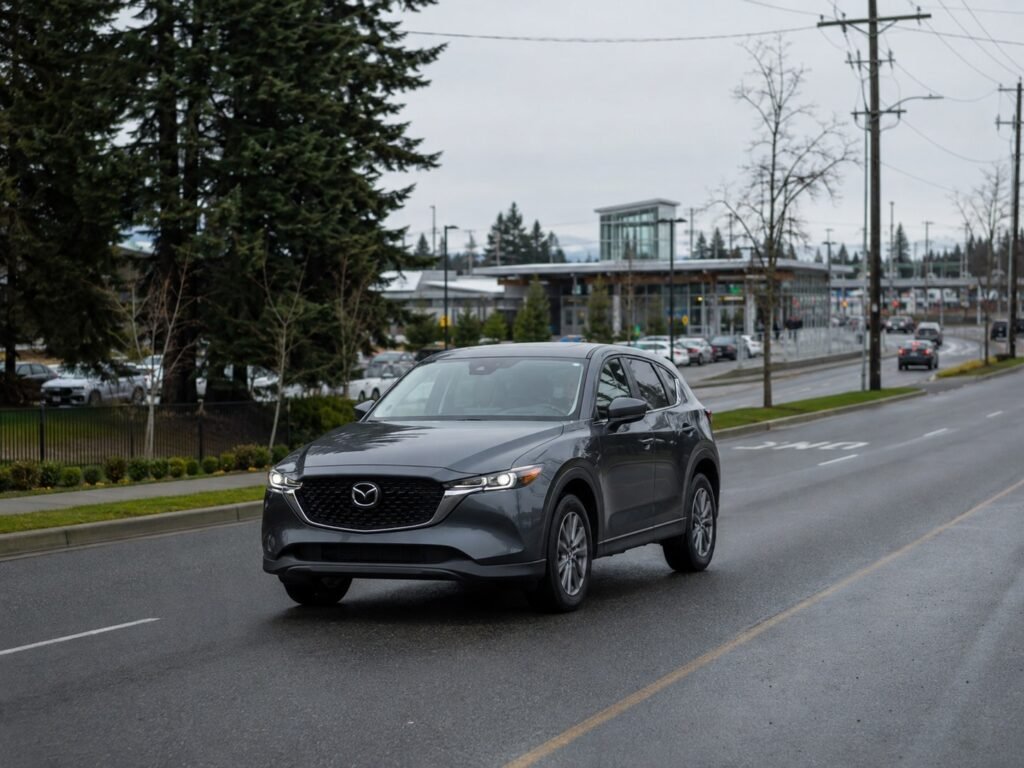
Your 2-Mile Drive to the 148th Light Rail Station May Be Harder on Your Car Than You Think
Driving a couple of miles from home, parking at Shoreline South/148th Station, and taking Link the rest of the way sounds like easy duty for your car. Low miles. Low fuel use. Barely any driving.
Mechanically, it’s often harder on a vehicle than the odometer suggests.
The issue isn’t the two miles. It’s that your car repeatedly goes through the most demanding part of any drive cold startup and warm-up then gets shut off before much of anything reaches full operating temperature. Then it sits eight or nine hours, cools all the way down, and does it again on the way home.
If that’s your weekday routine around Shoreline, your maintenance needs look different from someone driving 20 or 30 highway miles every morning.
Why a short commute isn’t an easy commute
When you start a cold engine, several things begin at once. Oil starts circulating and warming. The charging system begins replacing the electrical energy used to start the vehicle. The engine-management system adjusts as temperatures climb. Moisture that has accumulated inside the engine and exhaust starts heating up.
On a longer drive, the vehicle settles into normal operating conditions and stays there. On a two-mile drive, you arrive about the time everything is getting warmed up.
That pattern matters more than annual mileage.
What short trips do to engine oil
During repeated short trips, an engine may not stay hot long enough for accumulated moisture and fuel dilution to evaporate the way they would during sustained operation.
Toyota has noted in owner documentation that repeated short trips can allow fuel or moisture to dilute engine oil — enough that the dipstick may not immediately reflect the oil consumption that has actually occurred.
That doesn’t mean every Shoreline commuter needs an early oil change. It means the decision should account for how the vehicle is actually driven, alongside the manufacturer’s requirements, the maintenance-monitor system, and time since the last service.
Your battery and charging system get shortchanged
Starting a gasoline engine takes a substantial burst of energy from the battery. Once running, the charging system replenishes that while also supporting your lights, climate control, heated seats, defroster, wipers, and electronics.
A short drive gives it less time to do that before shutdown. One two-mile trip is nothing for a healthy vehicle. When nearly every trip is that short especially through a cold, dark Pacific Northwest winter when electrical demand climbs — battery condition becomes worth watching.
A battery that felt fine in August is often the one that cranks slowly in December.
Hybrids aren’t exempt
Plenty of park-and-ride commuters around Shoreline drive a Prius, RAV4 Hybrid, or similar. It’s easy to assume the hybrid system makes short trips a non-issue.
The gas engine still runs during warm-up, and on a two-mile trip it may cycle on and off without ever reaching full operating temperature — the same condition that concerns us on a conventional vehicle. Hybrids also carry a separate 12-volt auxiliary battery that supports the computers and startup sequence. It’s frequently overlooked, and when it weakens, the symptoms can look alarming and unrelated.
Low mileage on a hybrid still isn’t the same thing as low wear.
Brakes that sit wet all day
Here’s the part of the routine that’s easy to miss: your car sits outdoors in Shoreline weather for most of the day, gets driven two miles, and repeats.
Brakes need heat and use to stay clean. Light, short-distance driving in wet conditions doesn’t always give them that. Over time it can show up as corrosion on rotor surfaces, sticking caliper slide pins, or a parking brake mechanism that doesn’t move as freely as it should.
It isn’t a crisis. It is a reason a low-mileage car can need brake attention sooner than its owner expects.
“But I only drive a few thousand miles a year”
We hear it constantly. Mileage matters — it just isn’t the whole story. Services are influenced by:
- Mileage
- Time
- Driving conditions
- Number of cold starts
- Vehicle design and drivetrain
- Maintenance history
Manufacturer maintenance information has long treated repeated very short trips as a severe operating condition. Honda documentation, for example, identifies driving under five miles per trip as one of the conditions calling for a severe-use schedule on applicable vehicles.
Modern intervals vary widely by manufacturer, model year, engine, and maintenance-monitor strategy, so those specific numbers don’t transfer to every car. The principle does: low mileage does not automatically mean light-duty use.
What our Short-Trip Vehicle Check looks at
The goal isn’t to start replacing parts. It’s to watch the things short-trip use actually affects:
- Time and mileage since the last oil service, against manufacturer requirements
- Battery condition and starting performance
- Charging-system output
- Brake condition, including caliper and parking brake operation
- Fluid condition
- Tire condition and pressure
- Warning lights or stored fault codes requiring diagnosis
You should leave knowing what needs attention now, what can wait, and what simply needs monitoring.
The odometer doesn’t tell the whole story
Two Shoreline vehicles can each cover 5,000 miles in a year and live completely different mechanical lives. One takes long weekend highway trips. The other makes several hundred cold starts followed by two-mile runs to a light rail station.
Same number on the dash. Very different service needs.
If your car’s main job is getting you a couple of miles to Shoreline South/148th and back, tell your advisor. That’s genuinely useful information, and it changes what we recommend.
Not sure what your low-mileage vehicle actually needs?
Ask for a Short-Trip Vehicle Check at Chuck’s Auto Repair – Shoreline. Call 206-368-0980 or book online now.
We’ll look at how the vehicle is actually being used, its service history, and its current condition so you know what needs attention now, what can wait, and what simply needs to be monitored.